- 79 Station Ln, Hornchurch, RM12 6JU
- 01708 607930
- info@charismabeautylounge.co.uk


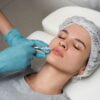
Microneedling, also known as collagen induction therapy, is a minimally invasive cosmetic procedure that uses fine, sterile needles to create controlled micro-injuries in the skin. These tiny punctures trigger the body’s natural healing response, stimulating the production of collagen and elastin—proteins essential for smooth, firm, and youthful-looking skin.
At microneedling in Hornchurch, this advanced treatment is performed by trained skincare professionals who understand how to tailor each session according to your specific skin needs. Whether you’re struggling with acne scars, fine lines, uneven tone, or dullness, microneedling helps rejuvenate your complexion naturally without harsh chemicals or invasive surgery.
Unlike many quick-fix beauty treatments, microneedling works at a deeper level by improving the skin’s structure over time. Each session encourages long-term regeneration, leading to firmer, smoother, and healthier skin with a radiant glow. Clients who choose microneedling in Hornchurch often notice visible improvements in skin texture and tone within a few weeks, with continued enhancement as collagen production increases.
The procedure is safe, effective, and suitable for most skin types when done under professional care. By combining expert technique, sterile tools, and personalized aftercare, microneedling in Hornchurch ensures optimal results while minimizing discomfort and downtime. It’s a proven solution for those looking to achieve youthful, refreshed skin in a natural, science-backed way.
When performed correctly, microneedling is generally considered safe for most skin types. The procedure has been studied extensively and is FDA-approved for certain devices used in professional settings. However, safety depends on factors like the practitioner’s expertise, the device’s quality, and your skin’s condition.
While microneedling is generally considered a low-risk procedure compared to invasive procedures like laser resurfacing, it’s not without potential side effects. Following proper protocols—such as sterilizing equipment and adhering to aftercare procedures—greatly reduces the risks. Always consult a dermatologist to ensure microneedling is safe for your specific needs.
Not everyone is a good candidate for microneedling. Certain skin conditions or health issues can increase the risk of complications. Avoid micro-needling if you have:
If you’re unsure, a dermatologist can assess your skin and medical history. Always disclose medications or conditions before treatment.
Most microneedling side effects are mild and temporary. They typically resolve within a few days. Common side effects include:
These side effects are part of the skin’s natural healing response. Proper aftercare, such as avoiding sun exposure and using gentle products, helps minimize discomfort.
While rare, microneedling can lead to complications if not done properly. Understanding these risks helps you make an informed decision. Potential issues include:
Choosing a qualified professional and following aftercare instructions significantly lowers these risks. At-home microneedling carries a higher risk of complications due to improper technique or the use of unsterile tools.
Microneedling can be done at home with derma rollers or in a clinic with professional devices. Each option has pros and cons regarding safety.
Professional microneedling is safer for individuals with sensitive skin or those requiring deeper treatments. At-home devices are best for maintenance between professional sessions.
Proper preparation and aftercare are crucial for safe microneedling and minimizing side effects. Follow these tips to optimize your experience:
Following these steps ensures faster recovery and better results. Always follow your practitioner’s specific aftercare advice.
Dermatologists widely support microneedling as a safe and effective treatment when done correctly. Dr. Jane Smith, a board-certified dermatologist, says, “Microneedling is a versatile procedure with minimal downtime, but patient selection and proper technique are critical for safety.”
Key insights from experts:
Dermatologists emphasize the importance of choosing a qualified provider and following aftercare instructions to maximize safety and efficacy.
Hearing from others who have tried microneedling can offer a valuable perspective. Here are a few real-life stories:
These experiences highlight the importance of professional guidance and proper aftercare. Results vary, so manage expectations and consult a pro.
Before booking a micro-needling session, use this checklist to ensure safety:
This checklist helps you prepare for a safe and successful microneedling experience.
If micro-needling isn’t right for you, consider these alternatives for similar results:
Each option has unique benefits and risks. A dermatologist can recommend the best alternative based on your goals.
Microneedling is a powerful tool for enhancing skin texture, reducing scars, and minimizing signs of ageing. When performed by a professional with proper aftercare, it’s safe and effective for most people. However, understanding the risks, side effects, and your skin’s unique needs is crucial before diving in.
Ready to try microneedling? Consult a dermatologist to create a personalized plan. With the right approach, you can achieve glowing, healthy skin safely.
Recent Posts




WhatsApp us