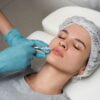
How Botox Works: The Science Behind Anti-Wrinkle Injections

  • Home
  • Beauty
  • How Botox Works: The Science Behind Anti-Wrinkle Injections

1. What Is Botox?

Botox is a purified neurotoxin derived from Clostridium botulinum, a naturally occurring bacterium found in the environment. In controlled, medical-grade form, it is safe and widely used in aesthetic and medical treatments. The scientific name for the injectable product is botulinum toxin type A. Although often referred to simply as “Botox,” several brands exist, including Azzalure, Dysport, Xeomin, and Bocouture. All work through the same biological mechanism, but Botox remains the most recognised name due to its long-standing clinical use. Many clinics now offer professional botox in Hornchurch for those seeking effective anti-wrinkle treatments locally.

In aesthetic medicine, Botox is classified as a neuromodulator, meaning it modifies nerve activity rather than altering the skin’s structure directly. Unlike fillers, which add volume, or skin boosters, which enhance hydration, Botox affects the underlying muscle activity responsible for dynamic wrinkles. Because many facial lines form through repeated expression—such as squinting, frowning, or raising the eyebrows—Botox offers a functional way to reduce the movement that creates those creases.

The substance used in cosmetic injections is manufactured under strict laboratory conditions. The protein is purified, diluted to ultra-low concentrations, and prepared for injection into specific muscles. This controlled formulation ensures that the product affects only targeted areas and does not spread unpredictably when administered correctly by a trained professional.
Botox is not a skin treatment in itself; it is a muscle-targeted therapy. The anti-wrinkle effect you see on the surface results from decreased muscle activity beneath the skin. The skin appears smoother because the repetitive pulling and folding that once created the lines is reduced. This approach makes Botox unique compared to topical products or resurfacing procedures. Instead of treating wrinkles after they form, Botox addresses the underlying cause—muscle contraction—making it both preventive and corrective.
Botox is among the most widely studied aesthetic treatments worldwide. Thousands of clinical trials support its safety profile when used in appropriate doses. Its effects are temporary, which means results naturally fade over time as nerve endings regenerate. This temporary nature contributes to its safety, as the body eventually restores full muscle function.
In summary, Botox is a scientifically formulated neuromodulator that reduces specific muscle contractions responsible for dynamic facial wrinkles. It works at the neuromuscular junction and delivers a predictable, reversible effect when administered correctly.

2. How Wrinkles Form

Wrinkles develop due to a combination of biological aging, environmental damage, and repeated muscle activity. To understand how Botox works, it is crucial to understand the mechanisms behind wrinkle formation.
There are two main categories of wrinkles:

Dynamic Wrinkles

These wrinkles appear during facial expressions. Examples include forehead lines when raising the eyebrows, crow’s feet when smiling, and frown lines between the brows. They are caused by repeated muscle contractions. Every smile, squint, or frown folds the overlying skin. When we are young, skin is elastic and quickly returns to its original state because it has abundant collagen, elastin, and hydration.
With time, the skin becomes less resilient. Collagen production slows in the mid-20s, elastin becomes less efficient, and moisture levels decline. As a result, the same repeated expressions gradually leave visible lines. Early on, these lines may appear only during movement, but eventually they linger even at rest. These resting lines are known as static wrinkles.

Static Wrinkles

Static wrinkles are visible even without facial movement. They form due to long-term skin folding combined with structural aging. While dynamic wrinkles result from muscle activity, static wrinkles are influenced more by:
  • Loss of collagen and elastin
  • Thinning of the dermis
  • Sun damage (photoaging)
  • Lifestyle factors such as smoking and stress
  • Gravity and fat redistribution
Dynamic wrinkles often evolve into static wrinkles over many years as skin loses its ability to rebound.

The Role of Facial Muscles

Facial expressions rely on more than 40 small muscles. These muscles differ from typical skeletal muscles—they are inserted directly into the skin, enabling expressive movement. When these muscles contract, they pull the skin, forming folds and creases. The more frequently and intensely a muscle is used, the deeper the wrinkle becomes.
For example:
  • The frontalis muscle lifts the eyebrows, creating horizontal forehead lines.
  • The orbicularis oculi contracts during smiling or squinting, forming crow’s feet.
  • The corrugator and procerus muscles cause the “11 lines” between the eyebrows during frowning.
These movements occur thousands of times a day, repeatedly folding the skin. Over the decades, the collagen framework weakens, and the creases become permanent.

Environmental and Biological Factors

Other contributors accelerate wrinkle formation:
  • UV radiation breaks down collagen fibres and reduces skin elasticity.
  • Free radicals generated by pollution damage cellular structures.
  • Dehydration makes lines more pronounced.
  • Genetics influence how quickly someone’s skin thins or loses elasticity.
Although many external treatments aim to support collagen or improve hydration, they cannot stop the muscle contractions that create dynamic wrinkles. This is the key reason Botox is effective—it addresses the mechanical source of wrinkle formation rather than treating only the surface.

3. The Science Behind Botox: How It Works

The scientific action of Botox occurs at the neuromuscular junction, the point of connection between a nerve ending and a muscle fibre. Botox temporarily disrupts the communication between these two structures. To understand this, it helps to look at how muscles normally contract.
When the brain signals a facial expression, it sends an electrical impulse through a motor nerve. At the neuromuscular junction, this impulse triggers the release of a neurotransmitter called acetylcholine. Acetylcholine binds to receptors on the muscle, causing it to contract. Every movement, no matter how small, relies on this process.
Botox works by preventing the release of acetylcholine. It does not affect the nerve signal itself or the muscle’s ability to contract; it simply blocks the chemical messenger that communicates the signal. Without acetylcholine, the muscle cannot receive the instruction to contract.
The process happens in several steps:
  1. Injection into the targeted muscle
    Botox is injected into specific facial muscles responsible for dynamic wrinkles using a very fine needle.
  2. Binding to nerve endings
    The botulinum toxin molecule binds to receptors on the nerve terminal.
  3. Internalisation
    The nerve cell absorbs the toxin via endocytosis (a natural cellular process in which substances are taken into the cell).
  4. Blocking acetylcholine release
    The toxin cleaves SNAP-25, a protein essential for neurotransmitter release. Without SNAP-25, acetylcholine cannot be released into the neuromuscular junction.
  5. Temporary loss of muscle activity
    Since the chemical messenger is blocked, the muscle becomes less active, resulting in reduced movement in that area.
  6. Gradual restoration
    Over time, the nerve sprouts new endings, restoring acetylcholine release and normal muscle activity. This is why Botox results are temporary.
Botox does not damage the muscle or nerve. It only interferes with neurotransmitter release. This controlled, reversible mechanism allows dermatologists and aesthetic practitioners to target precise muscles while leaving surrounding areas unaffected.
The amount injected is carefully measured. Aesthetic doses are extremely small—far below the levels used to treat medical conditions like muscle spasticity. The goal is to reduce overactive movement, not to completely paralyse the face. When performed properly, the result is a natural facial expression with softened lines.
This neurochemical mechanism is why Botox is so effective for expression-related wrinkles. By reducing unnecessary muscle contractions, the skin above the muscle is no longer repeatedly folded. Over time, fine lines fade, and deeper lines appear less pronounced because the skin is allowed to rest.

4. How Botox Blocks Muscle Contractions

Botox blocks muscle contractions by targeting the communication pathway between nerves and muscles. This effect is highly localised, meaning it only affects the muscles directly injected.
Here is the process in more detail:

1. Targeting the Motor End Plate

The motor end plate is the specific part of the muscle where the nerve communicates with the muscle fibre. Botox binds to the nerve terminals in this region. The toxin does not spread throughout the body when used correctly; it remains in the immediate area.

2. Inhibiting Neurotransmitter Release

The core mechanism is the inhibition of acetylcholine release. Acetylcholine is critical for muscle contraction. When blocked:
  • The muscle cannot receive contraction signals.
  • The muscle tone decreases.
  • The movement causing wrinkles is reduced.
This creates a smoother appearance on the overlying skin.

3. Reducing Excessive Expression

Botox does not freeze the face unless injected incorrectly. Instead, it reduces excessive or unintentional movements. The muscles can still function, but at a softer intensity. This is why patients often notice:
  • They cannot frown as strongly.
  • They squint less
  • Their forehead lines appear smoother, even when they raise their brows.

4. Reversibility and Nerve Regeneration

The body slowly regenerates nerve endings. New nerve terminals form over several months, restoring acetylcholine release. This is why results typically last 3–4 months, although individual duration varies based on metabolism, muscle strength, and dosage.
Botox’s temporary effect is one of its major safety advantages. Permanent alteration would carry far more risk, but Botox’s reversible mechanism ensures controlled, predictable results.

5. Where Botox Is Most Commonly Used

Botox is used on specific facial muscles that contribute most to dynamic wrinkles. Each injection site is chosen based on anatomical structure, muscle activity, and the pattern of wrinkle formation. The goal is to soften movement while preserving natural facial expression.

1. Forehead Lines (Frontalis Muscle)

The frontalis muscle lifts the eyebrows. Its repeated upward motion creates horizontal lines across the forehead. Botox is commonly used here to soften these lines without completely suppressing brow movement. Dosing must be carefully balanced because the frontalis elevates the eyebrows; excessive relaxation can cause heaviness or a lowered brow.

2. Frown Lines (Glabellar Complex)

The glabellar region includes the corrugator supercilii, procerus, and depressor supercilii muscles. These muscles pull the brows inward and downward, creating vertical “11 lines” between the eyebrows. Botox injections in this area reduce the intensity of frowning and prevent deepening of these commonly visible lines. It is one of the most requested treatment zones due to its strong association with stress or anger expressions.

3. Crow’s Feet (Orbicularis Oculi)

Crow’s feet form at the outer corners of the eyes when smiling or squinting. The orbicularis oculi muscle encircles the eye and contracts during facial expression. Botox softens this movement, reducing the fine lines that radiate outward from the eyes. This treatment often creates a more refreshed and rested appearance.

4. Bunny Lines (Nasalis Muscle)

Bunny lines appear on the sides of the nose when scrunching or smiling. The nasalis muscle contracts, forming diagonal lines across the upper nose. Botox in this area is used selectively to avoid altering the smile.

5. Lip Lines and Lip Flip (Orbicularis Oris)

Vertical lip lines may appear due to repetitive puckering. Small doses of Botox can relax the orbicularis oris muscle, softening these lines. A “lip flip” is another application in which Botox is injected near the lip border to subtly roll the upper lip outward, giving a fuller look without adding volume.

6. Chin Dimpling (Mentalis Muscle)

The mentalis muscle can cause dimpling, or an “orange peel” texture, on the chin when overactive. Botox smooths this area by reducing irregular muscle contractions that distort the skin surface.

7. Masseter Muscle (Jaw Slimming / Teeth Grinding)

Although not strictly for wrinkles, Botox is frequently used to reduce jaw clenching or teeth grinding (bruxism) by targeting the masseter muscles. Aesthetic benefits include a slimmer jawline and reduced tension.

8. Neck Bands (Platysmal Bands)

Vertical neck bands appear due to the contraction of the platysma muscle. Botox helps relax these bands, improving the appearance of the neck and jawline area.

Why These Areas Respond Well to Botox

These treatment zones involve muscles that strongly influence dynamic expression lines. Botox’s ability to reduce repetitive skin folding makes it especially effective here. It does not address sagging or loss of volume; instead, its strength lies in minimising motion-driven creases. When injected with precision, Botox allows for natural facial movements while softening visible signs of aging.

6. How Long Does Botox Take to Work

Botox does not produce immediate results. Its effect appears gradually because the biological process of blocking acetylcholine release takes time. The timeline can vary from person to person, but the typical progression follows a predictable pattern.

1. First 24–48 Hours

During the initial stage, the Botox molecule begins binding to the nerve endings. Most people do not yet see visible changes. Some may experience slight tightness or a subtle reduction in muscle movement, but this is usually minimal.

2. Days 3–5: Onset of Noticeable Change

Within a few days, nerve transmission begins to weaken. The injected muscle becomes softer. For example:
  • Frowning may feel less intense.
  • Squinting may be more difficult.
  • Forehead movement may start to feel restricted.
These early changes indicate that Botox is beginning to disrupt neuromuscular communication.

3. Days 7–10: Visible Smoothing of Wrinkles

Most people see a clear improvement within one week. Lines that previously appeared during expression begin to soften. Dynamic wrinkles—those visible only when moving—show a significant reduction. The skin above the treated muscle becomes smoother because it is no longer repeatedly folded.

4. Day 14: Full Results

Botox typically reaches its maximum effect around the two-week mark. This is when:
  • Wrinkles appear noticeably reduced.
  • The treated muscles have reached optimal relaxation.
  • Skin texture becomes visibly smoother at rest and during movement.
This two-week period is the standard window practitioners use to evaluate the result and determine whether any small adjustments or top-ups are necessary. Adjustments should be minimal, as adding too much can reduce natural expression.

5. Variations Based on Individual Factors

Several factors influence how quickly someone sees results, including:
  • Muscle strength and thickness
  • Metabolic rate
  • Previous Botox treatments
  • Dosage used
  • Skin condition
People with stronger or more active muscles may take slightly longer to see full relaxation. Those who regularly receive Botox may notice a quicker onset because their muscles are already conditioned to reduced movement.

Why Botox Does Not Work Immediately

Botox must internalise into the nerve endings and disrupt the SNARE protein complex, particularly SNAP-25. This biochemical process cannot occur instantly. It requires several days for the toxin to fully block neurotransmitter release, resulting in gradual rather than immediate muscle relaxation.

7. How Long Do Botox Results Last

Botox provides temporary results because nerve endings eventually regenerate. The duration of the effect varies between individuals but follows a well-defined pattern based on biological processes.

Typical Duration: 3 to 4 Months

For most people, Botox lasts three to four months. During this period, the treated muscles remain reduced in movement, and the overlying skin stays smoother. By month three, many individuals begin to notice the gradual return of movement.

Shorter Duration for First-Time Users

First-time patients may experience results lasting closer to 8–12 weeks. Their muscles are often stronger and more active at the start, making the effect wear off slightly faster. With consistent treatments, the duration typically increases because the muscles weaken with reduced use.

Factors Influencing How Long Botox Lasts

Several aspects determine longevity:
1. Muscle Activity
Stronger or more expressive facial muscles, such as the glabellar and forehead muscles, may metabolise Botox faster. People who frequently raise their eyebrows or frown intensely may see slightly shorter-lasting results.
2. Dosage
Higher doses often produce longer-lasting relaxation, but dosing must remain within safe and natural limits. Too much can lead to unnatural appearance, so practitioners balance longevity with aesthetics.
3. Metabolism
Individuals with faster metabolic rates—common among those who exercise intensively or have high muscle mass—may break down the toxin more quickly.
4. Injection Technique
Precise placement ensures that Botox reaches the correct muscle fibres. Proper depth and mapping contribute to optimal duration.
5. Skin Quality
Healthier skin, with good hydration and elasticity, may show more noticeable improvement because it recovers better when muscle movement is reduced.

How Botox Wears Off

As months pass, the nerve endings begin to regenerate. They form new branches that can release acetylcholine again. When enough new nerve terminals have developed, the muscle regains movement, and dynamic wrinkles begin to reappear.
This process is gradual:
  • Weeks 10–12: Subtle movement begins to return
  • Weeks 12–16: Movement increases noticeably
  • After 16 weeks, Full muscle activity is usually restored.
Wrinkles often appear softer than before, even after Botox wears off, especially with repeated treatments. This is because reducing muscle activity allows the skin to recover from constant folding, resulting in long-term softening.

Why Results Are Temporary

Botox’s temporary nature is an intentional safety feature. Permanent alteration of the neuromuscular junction would carry significant risks. The 3–4-month duration ensures predictable, controlled results that naturally reverse without long-term impact on nerve health.

8. Safety and Side Effects

Botox is considered safe when administered by a qualified professional. Decades of clinical research and widespread cosmetic use support its strong safety profile. However, as with any medical procedure, understanding potential side effects and precautions is important.

Common Mild Side Effects

These are usually temporary and resolve within days to weeks:
  • Redness and swelling: Minor irritation may occur at the injection site.
  • Bruising: Small bruises can appear where the needle enters the skin.
  • Tenderness: Some patients feel mild soreness or tightness in the treated area.
  • Headache: A short-lived headache may occur, especially with forehead treatments.

Less Common Side Effects

These occur infrequently but should be considered:
  • Ptosis (drooping eyelid or brow): Incorrect injection placement can temporarily weaken nearby muscles.
  • Asymmetry: Uneven results may appear if one side is treated differently.
  • Dry eyes or excessive tearing: Temporary effects can occur when treating areas near the eyes.
  • Flu-like symptoms: Rarely, patients may feel mild fatigue or malaise.

Serious Side Effects

Severe reactions are extremely rare, especially at cosmetic doses. They include:
  • Allergic reactions: Rare but possible. Symptoms may include rash, itching, or swelling.
  • Spread of toxin: Very uncommon, but can cause temporary muscle weakness beyond the treated area.

Precautions

To maximise safety:
  • Botox should only be administered by licensed medical professionals trained in facial anatomy.
  • Patients should disclose medical history, including neuromuscular disorders, pregnancy, breastfeeding, or allergies to botulinum toxin.
  • Avoid overuse or repeated high doses in the same area.
  • Follow post-treatment advice: avoid rubbing the area, strenuous exercise, or lying down for a few hours to reduce the risk of unintended spread.
Overall, Botox’s safety profile is strong because the doses used in aesthetic treatments are very low compared to amounts that cause systemic toxicity. The reversibility of its effects further enhances its safety, making it one of the most controlled cosmetic procedures available.

9. Who Should Consider Botox?

Botox is suitable for a wide range of adults seeking to reduce dynamic facial wrinkles or prevent new ones from forming. However, candidacy depends on factors like age, skin condition, and medical history.

Ideal Candidates

  • Adults with early dynamic wrinkles: Individuals noticing forehead lines, frown lines, or crow’s feet may benefit.
  • Preventive treatment seekers: Younger adults may use Botox to slow wrinkle formation by reducing repetitive muscle activity.
  • Patients seeking minimally invasive options: Those preferring non-surgical approaches for facial rejuvenation.

Medical Considerations

Certain conditions may require caution or exclusion:
  • Neuromuscular disorders such as myasthenia gravis or Lambert-Eaton syndrome.
  • Pregnant or breastfeeding women: Safety has not been fully established.
  • Allergic history: Sensitivity to botulinum toxin or formulation components.

Age Considerations

Most aesthetic practitioners recommend Botox from the mid-20s onwards, depending on skin condition and lifestyle. Early treatment can act as a preventive measure, while older adults may use Botox to smooth established dynamic wrinkles.

Combination Treatments

Botox is often combined with other aesthetic procedures for comprehensive results:
  • Dermal fillers: Address volume loss that Botox cannot correct.
  • Skin boosters or microneedling: Improve skin quality and hydration.
  • Chemical peels or laser resurfacing: Enhance skin texture and tone.
By understanding one’s goals and limitations, patients and practitioners can create a tailored treatment plan that maximises both safety and effectiveness.

10. Final Thoughts on Botox Science

Botox remains one of the most effective and scientifically validated treatments for reducing dynamic wrinkles. Its unique mechanism—temporarily blocking acetylcholine at the neuromuscular junction—addresses the root cause of expression lines rather than merely treating the skin surface.

Key Scientific Takeaways

  • Botox is a neuromodulator, not a filler.
  • It works by reducing muscle contractions, thereby preventing repetitive skin folding.
  • Effects are temporary, typically lasting 3–4 months, allowing for predictable and reversible treatment.
  • Safe use relies on precise injection technique and proper dosing.

Why Botox Remains Popular

  • Non-invasive: No surgical downtime is required.
  • Predictable results: Clinical studies support its consistency.
  • Preventive benefits: Reduces the formation of new dynamic wrinkles.
  • Customisable: Can be applied to multiple facial areas with controlled dosing for a natural appearance.

Conclusion

Understanding the science behind Botox empowers patients to make informed decisions about anti-wrinkle treatments. By targeting the neuromuscular source of dynamic wrinkles, Botox provides a highly effective, reversible, and safe option for maintaining smoother, youthful-looking skin. With careful consultation, skilled administration, and realistic expectations, Botox can enhance natural facial aesthetics while preserving expression and individuality.

Leave A Comment

Your email address will not be published. Required fields are marked *