- 79 Station Ln, Hornchurch, RM12 6JU
- 01708 607930
- info@charismabeautylounge.co.uk


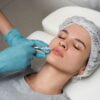
Aesthetic medicine has revolutionised how we approach skincare. Gone are the days when maintaining youthful, radiant skin meant invasive surgeries or harsh procedures. Today, subtle injectable treatments like polynucleotides Essex services offer a powerful solution to restore firmness, hydration, and overall skin health without altering your natural appearance.
Polynucleotides are regenerative injectables derived from purified salmon or trout DNA fragments. Their biocompatible nature allows them to strengthen the skin matrix, stimulate collagen and elastin production, and improve overall resilience. Unlike dermal fillers, they do not add volume; instead, they help the skin repair itself from within, leading to gradual, natural-looking improvements.
Recognising the early signs that your skin could benefit from polynucleotide treatment can make a substantial difference in both results and longevity.
Fine lines and early wrinkles are one of the most common indicators that your skin is beginning to lose elasticity. They often appear in delicate areas such as the eyes, mouth, and forehead. While these lines are a natural part of ageing, environmental factors such as UV exposure, pollution, and lifestyle habits like smoking and stress can accelerate their formation.
Polynucleotide treatments target the underlying causes of wrinkles rather than merely masking them. By stimulating fibroblasts, the skin’s natural collagen and elastin producers, polynucleotides help strengthen the dermal structure. This results in:
Early intervention is key. Treating fine lines before they deepen allows polynucleotides to work more effectively, producing cumulative improvements over time. For individuals in their late twenties to early thirties, using polynucleotides can serve as a preventive approach, keeping the skin firm and resilient against ageing.
How to recognise early signs of wrinkles:
Treating these areas with polynucleotides restores dermal structural support, gradually reducing visible lines while enhancing the skin’s natural radiance.
Another key sign that you may benefit from polynucleotide therapy is thinning or fragile skin. Skin naturally loses density with age, leading to fragility, increased susceptibility to damage, and a more delicate appearance. Environmental factors, such as urban pollution in cities like London, Manchester, and Birmingham, can exacerbate this thinning, as can lifestyle factors like poor diet, insufficient hydration, and stress.
Fragile skin is often more prone to:
Minor bruising or redness
Dryness and flakiness
Visible veins or thinner skin on the hands and neck
Polynucleotides are particularly effective in strengthening fragile skin by:
Enhancing dermal thickness through collagen stimulation
Increasing skin resilience to environmental aggressors
Repairing damage at a cellular level, including DNA repair and angiogenesis
Patients with thinning skin around the eyes, hands, neck, or décolletage benefit significantly from these treatments. Polynucleotides not only restore firmness but also improve skin texture, making it less delicate and more resistant to external stressors. If you’re unsure whether polynucleotides or another injectable might suit your concerns better, this treatment comparison offers helpful clarity.
Ideal candidates for this sign:
Dull, dehydrated skin is another indicator that your skin may benefit from polynucleotide treatment. Loss of moisture, combined with reduced collagen and elastin production, results in lacklustre, uneven skin tone and can make fine lines appear more prominent. Common contributors include:
Polynucleotides improve skin hydration indirectly by strengthening the skin barrier. When the barrier is healthy, the skin retains moisture more efficiently, leading to:
Unlike traditional moisturisers, which only offer temporary surface hydration, polynucleotides work at a deeper level, repairing the skin’s structural integrity. This is particularly beneficial for individuals living in cities, where environmental stressors such as pollution can compromise the skin barrier.
Signs your skin is dull or dehydrated:
Regular polynucleotide sessions help restore plumpness, firmness, and natural glow, making your skin look healthier and more youthful.
One of the less obvious signs that polynucleotide treatment is needed is slow-healing skin or the need for enhanced post-procedure recovery. Skin that takes longer to recover after acne, laser treatments, chemical peels, or minor injuries indicates a weakened regenerative capacity.
Polynucleotides accelerate skin repair by:
Patients who undergo aggressive laser treatments, deep chemical peels, or acne scar revisions can benefit significantly from polynucleotides. The treatment supports the skin’s natural healing processes, minimising downtime and improving overall recovery.
Ideal candidates for this sign:
By incorporating polynucleotide treatments into recovery protocols, patients often experience faster improvement in skin texture, elasticity, and overall tone, reducing the risk of long-term scarring or damage.
Skin that is frequently sensitive, reactive, or prone to inflammation is another clear sign that polynucleotide therapy could be beneficial. Environmental aggressors, seasonal changes, or underlying skin conditions like rosacea and eczema can compromise the skin barrier, leading to irritation and visible redness.
Polynucleotides offer several benefits for sensitive skin:
These properties make polynucleotides particularly useful for individuals exposed to pollution, UV radiation, or harsh climates, as well as those experiencing skin stress from lifestyle factors such as a lack of sleep or a poor diet.
Who benefits most:
Regular polynucleotide treatments help reduce long-term sensitivity, improve skin resilience, and restore a calm, healthy appearance.
Understanding the mechanism of polynucleotide treatments helps explain why they are so effective for multiple skin concerns.
Unlike traditional fillers, polynucleotides do not add volume. Instead, they strengthen and rejuvenate the skin from within, producing lasting improvements in texture, firmness, and radiance.
Polynucleotides are suitable for adults experiencing:
They are especially beneficial for people in their 30s to 60s, as this is the period when skin often begins to lose density and resilience due to natural ageing and environmental stressors.
Not recommended for:
Treatment plans typically involve 2–4 sessions spaced 2–4 weeks apart, with maintenance every 6 months for long-lasting results.
After completing a polynucleotide treatment course, patients typically notice:
Cumulative effects continue to develop over several months, making polynucleotides a long-term investment in skin health.
Polynucleotides can be combined with other treatments to enhance results:
A well-structured combination plan allows for both surface-level improvements and deep structural repair, ideal for mature, dehydrated, or acne-scarred skin.
For optimal results, polynucleotide treatments should be administered by a GMC-registered practitioner or certified aesthetic professional. Consider the following when selecting a clinic:
Clinics like Charisma Beauty Lounge offer expert consultation and bespoke treatment programs to ensure safe and effective outcomes.
Proper aftercare is essential for achieving long-lasting results:
Maintenance schedule:
Polynucleotide treatment is a game-changer in regenerative skincare. Recognising the early signs, such as fine lines, thinning skin, dullness, slow healing, and sensitivity, allows you to take proactive steps to maintain healthier, firmer skin.
By stimulating collagen and elastin production, promoting angiogenesis, and restoring the skin barrier, polynucleotides deliver long-term structural improvements rather than temporary effects. Whether used alone or in combination with other treatments like skin boosters or microneedling, they offer a safe, natural, and effective solution for maintaining youthful, resilient skin.
Consult with a qualified aesthetic practitioner at a trusted clinic like Charisma Beauty Lounge to develop a personalised plan that addresses your unique skin needs and delivers visible, lasting results.
Recent Posts




WhatsApp us