- 79 Station Ln, Hornchurch, RM12 6JU
- 01708 607930
- info@charismabeautylounge.co.uk


Demand for non-surgical skin rejuvenation in the UK has increased significantly in the last five years. Patients now expect treatments that deliver visible improvement without extended downtime or unnatural results. Regenerative medicine approaches, which stimulate the skin’s own repair systems rather than simply filling or tightening, dominate clinic menus in London, Manchester and across the country.
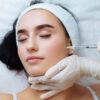
Two of the most effective regenerative treatments currently available are microneedling and injectable polynucleotides. When used separately, they produce good outcomes. When combined in the same session, they produce markedly superior regeneration, faster healing, and longer-lasting improvements in skin quality. This combination has become the gold-standard protocol in advanced medical aesthetic clinics throughout the UK, especially for clients seeking professional microneedling in Hornchurch and surrounding areas.
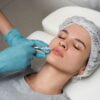
Microneedling uses a device fitted with sterile fine needles (0.5–2.5 mm in length) to create thousands of controlled micro-injuries in the dermis. These micro-channels trigger the wound-healing cascade: inflammation, proliferation and remodelling. Fibroblasts are activated, growth factors are released, and new collagen (types I and III) and elastin are laid down over the following weeks and months.
Key benefits include:
The micro-channels remain open for approximately 30–60 minutes after treatment. During this window, the skin can absorb topically applied active ingredients up to 80% more effectively than intact skin. This dramatic increase in penetration is why combining microneedling with polynucleotides works so well.
Polynucleotides are long-chain DNA fragments derived from salmon or trout sperm that have been purified and fragmented to a specific molecular weight (typically 50–1500 kDa). They are highly biocompatible and have been used medically for decades in wound healing, orthopaedics and ophthalmology.
When injected or applied to the skin, polynucleotides:
Act as signalling molecules that stimulate fibroblast activity
Promote angiogenesis (new blood vessel formation)
Increase production of type I collagen, elastin and hyaluronic acid
Exhibit strong anti-inflammatory effects
Scavenge free radicals and protect cells from oxidative stress
Attract and support stem cells and progenitor cells
Clinical benefits include improved hydration, faster wound healing, reduced redness, increased dermal thickness, and visible improvement in skin quality. For more extensive treatments targeting areas like stretch marks or loose skin, many clinics offer PN body rejuvenation, which leverages polynucleotides to remodel and restore larger body zones. Products licensed in the UK (e.g., Nucleofill, Plinest, Rejuran, and PhilArt) are classified as injectable medical devices and must be administered by qualified healthcare professionals.
Microneedling alone relies entirely on the body’s natural wound-healing response. Adding polynucleotides provides the skin with concentrated biological signals and building blocks that amplify and accelerate every stage of regeneration.
The result is faster recovery, reduced risk of post-inflammatory hyperpigmentation and noticeably better long-term skin quality.
Before the session
During treatment
Sessions required
Normal reactions
Rare side effects
Not suitable for
Aftercare essentials
Direct comparison (based on published clinical data and UK clinic audits):
Microneedling alone
Microneedling + Polynucleotides
The addition of polynucleotides accelerates healing, reduces side effects and roughly doubles the amount and quality of new collagen produced.
Combining microneedling with polynucleotides represents the current pinnacle of non-surgical skin regeneration available in UK clinics. The treatment harnesses the body’s own repair mechanisms while supplying highly purified DNA fragments that direct and amplify healing. Patients achieve smoother texture, reduced scarring, improved hydration and genuine dermal thickening with minimal downtime.
For anyone considering skin rejuvenation in 2025 and beyond, this protocol consistently delivers the most impressive before-and-after results seen in medical aesthetic practice. Three to four sessions performed by an experienced doctor or nurse prescriber will produce measurable, long-lasting improvement that single-modality treatments simply cannot match.
Recent Posts



WhatsApp us