- 79 Station Ln, Hornchurch, RM12 6JU
- 01708 607930
- info@charismabeautylounge.co.uk


Over the past decade, microneedling in Hornchurch has evolved from a niche cosmetic procedure into one of the most sought-after skin rejuvenation treatments worldwide. It’s praised for its ability to reduce scars, fine lines, and uneven skin tone without surgery or harsh chemicals. The appeal lies in its natural process: stimulating your skin to heal and renew itself through collagen production.
However, as its popularity has grown, so has the misinformation surrounding it. The internet is flooded with exaggerated claims, confusing myths, and unverified advice, making it difficult for people to understand what microneedling truly offers. Some believe it’s painful, risky, or even damaging to the skin, but in fact, it’s a clinically supported, safe treatment when performed professionally.
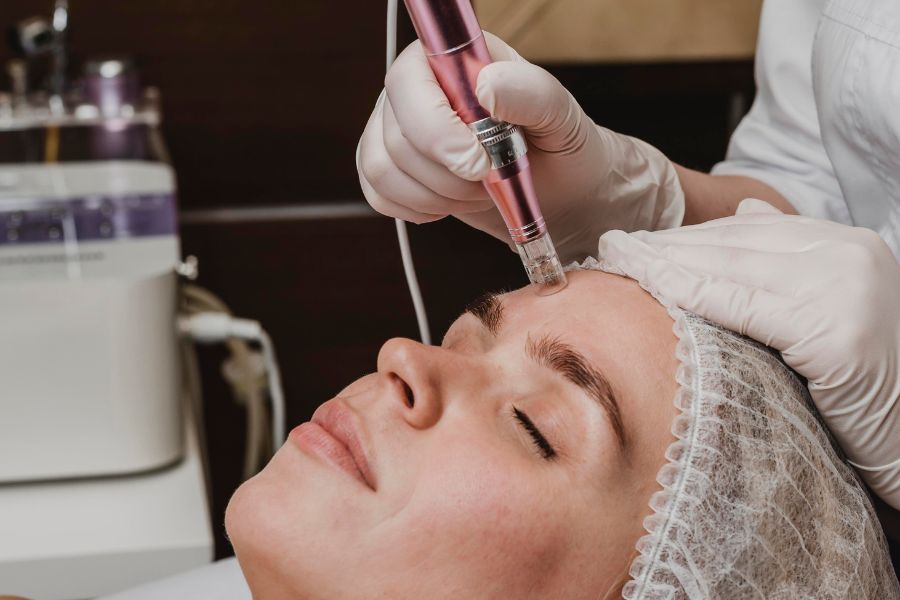
Microneedling, also known as collagen induction therapy, is a minimally invasive procedure that uses fine, sterile needles to create micro-injuries in the skin. These controlled punctures stimulate the body’s natural healing response, triggering the production of collagen and elastin, two essential proteins that help maintain firm, youthful skin.
During a professional session, a numbing cream is applied to ensure comfort, and a specialised device glides gently across the skin. As the body begins its repair process, new, healthy skin cells form—resulting in improved texture, tone, and overall glow. The process is safe, controlled, and tailored to each person’s skin type and condition.
Microneedling isn’t a one-size-fits-all treatment—it can be customised to target a wide range of skin issues. Because it stimulates collagen deep within the skin, it improves texture and tone for nearly all skin types.
Common concerns microneedling helps with include:
Since the treatment does not use heat or chemicals, it’s particularly beneficial for those with sensitive or darker skin tones who may not tolerate laser treatments well.
One of the biggest misconceptions is that microneedling is painful. In reality, it’s designed to be comfortable and safe. Before the procedure, a numbing cream is applied for 20–30 minutes to minimise any discomfort. Most clients describe the sensation as mild tingling or vibration rather than pain.
While certain areas, such as the forehead or upper lip, may feel slightly sensitive, discomfort is minimal and short-lived.
Fact:
Because the procedure involves needles, many assume it harms the skin. The truth is the opposite—microneedling strengthens it. The tiny punctures trigger a controlled healing response that replaces old, weak tissue with new collagen-rich layers. Over time, skin becomes thicker, firmer, and more elastic.
Fact:
While you may notice a glow soon after treatment, accurate microneedling results take time to develop. Collagen regeneration is a gradual biological process that unfolds over weeks. Most people begin to see visible improvement within 3–6 weeks, with optimal results after multiple sessions.
Fact:
Although it’s popular for anti-ageing, microneedling offers far more than wrinkle reduction. It’s highly effective for treating acne scars, pigmentation, enlarged pores, and even stretch marks. Younger clients often choose it to maintain smooth texture and prevent early signs of ageing.
Fact:
At-home rollers are not equivalent to professional microneedling. They use shorter, fixed needles and lack the precision and sanitation of clinical devices. Improper use can lead to irritation or infection. Professional-grade tools like SkinPen or Dermapen, used by trained practitioners, safely and effectively penetrate deeper layers of the skin.
Fact:
Some assume microneedling can cause pigmentation issues in darker skin tones, but that’s a myth. Unlike lasers, it doesn’t use heat or light, so it doesn’t trigger post-inflammatory pigmentation. When performed correctly, it’s one of the safest treatments for all skin types.
Fact:
Microneedling recovery is quick and straightforward. Most people experience mild redness for 24–48 hours, similar to a light sunburn. Makeup can usually be worn the next day, and everyday activities resume quickly.
Fact:
Professional microneedling uses sterile, single-use needles and strict hygiene standards. Scarring or infection occurs only when untrained individuals perform the treatment, or aftercare is ignored.
Fact:
One session can make your skin appear fresher, but collagen remodelling requires repetition. Most professionals recommend 3–6 sessions spaced four to six weeks apart for lasting improvement.
Fact:
Compared to laser treatments or injectables, microneedling offers impressive results at a lower cost. It requires fewer consumables, has minimal downtime, and enhances natural collagen without artificial fillers.
Fact:
Scientific studies confirm that microneedling boosts collagen types I and III, both essential for skin structure. By triggering micro-injuries, fibroblast cells become active, producing new collagen fibres that replace damaged tissue.
Microneedling promotes skin renewal and a smoother texture. Over time, scars fade, pores tighten, and tone becomes more even. This leads to a naturally radiant complexion without makeup.
Unlike peels or lasers that can irritate sensitive skin, microneedling works mechanically—meaning no thermal damage or harsh chemicals. This makes it suitable for nearly everyone.
Micro-channels created during treatment allow serums with hyaluronic acid or vitamin C to penetrate deeper. This boosts hydration and nutrient delivery for faster, more noticeable results.
Research shows microneedling significantly reduces acne scars and hyperpigmentation after a series of sessions. The new collagen helps smooth uneven texture and fade dark marks naturally.
While home devices seem convenient, they can’t replicate the precision of professional microneedling. Professionals use adjustable depths, sterile equipment, and medical-grade serums to ensure safe, even results.
Professional Microneedling Advantages:
Risks of At-Home Rollers:
In short, professional microneedling delivers measurable improvement, while DIY tools only provide surface-level exfoliation.
A consultation is carried out to assess your skin type and concerns. You’ll receive guidance on pre-treatment care, including avoiding active skincare products and sun exposure. A numbing cream is applied to ensure comfort.
Once the skin is numbed, the practitioner moves the device evenly across your face. The procedure lasts around 30–45 minutes, depending on the area being treated. Most clients feel a light vibration rather than pain.
Redness and sensitivity are typical for the first day or two. Following the correct aftercare ensures a smooth recovery and enhances results.
Aftercare Tips:
While microneedling is safe for most people, some conditions require caution or delay:
Always consult a professional before beginning treatment to ensure it’s right for your skin condition and health status.
Microneedling has earned its reputation as one of the most effective, science-backed skin rejuvenation treatments available today. Despite myths about pain, damage, or downtime, the truth is that it’s a gentle, collagen-boosting procedure that works naturally with your body’s repair process.
With consistent sessions, microneedling can significantly improve scars, fine lines, texture, and tone without surgery or harsh chemicals. It’s safe for nearly all skin types and offers a cost-effective path to radiant, youthful skin.
By understanding the myths and trusting the science, you can make an informed decision about your skincare journey. Microneedling isn’t just a trend—it’s a proven way to achieve healthier, glowing skin through the power of natural renewal.
Recent Posts




WhatsApp us